Last-minute departure · DEC 2026
Open Road
Australia · New Zealand
March 26, 2026
The destination question is usually the first one people ask and the last one they should answer. Where you go matters less than why you’re going and what kind of experience you’re looking for. A restful three months on the Portuguese coast is a fundamentally different trip from three months of cultural immersion in Japan, and neither is better — they’re serving different purposes.
That said, some destinations are genuinely better suited to long-stay retirement travel than others. The criteria that matter for a three-month trip are different from those for a two-week holiday: cost of living over time, healthcare access, visa rules for UK passport holders, ease of daily life, climate stability, safety, and the quality of the long-stay experience as opposed to the tourist experience.
This guide evaluates the most popular regions against those criteria. It’s opinionated where it needs to be and honest about trade-offs, because every destination has them.
Portugal, Spain, Italy, Greece
Southern Europe remains the most popular destination region for British retirement gap year travellers, and for good reason. The climate is excellent for most of the year. The food is extraordinary. The healthcare systems are well-established and accessible to visitors. The timezone difference from the UK is minimal, which matters more than people expect when you’re trying to stay connected with family and friends.
Portugal — particularly the Algarve, Lisbon, and the Silver Coast — has become the default recommendation for first-time long-stay travellers, and it earns the reputation. The cost of living is the lowest in Western Europe, the locals are genuinely welcoming to long-stay visitors, and the infrastructure for apartment rentals is mature. A comfortable month in a one-bedroom apartment outside Lisbon or in a smaller Algarve town runs to £800–£1,200 including food and daily expenses.
Spain offers similar warmth with more cultural variety — Seville, Valencia, Málaga, and the Balearic Islands each offer a distinct experience. Italy is more expensive and more logistically complex (bureaucracy is real) but rewards the effort with a depth of culture that few places can match. Greece, particularly the islands and the Peloponnese, combines extraordinary natural beauty with a cost of living that’s competitive with Portugal.
The constraint: The Schengen 90-day rule. UK passport holders can stay in the Schengen Area for a maximum of 90 days in any 180-day period. A three-month gap year in Europe is technically possible but requires precise timing. Going over the limit carries real penalties, and overstaying — even accidentally — can complicate future travel. Some travellers split their time between a Schengen country and a non-Schengen European destination (Croatia, Montenegro, or the UK’s overseas territories) to extend their total time in the region.
Best for: First-time long-stay travellers, people who want European comfort with lower costs, couples, anyone who values proximity to home.
Vietnam, Thailand, Indonesia, Sri Lanka
If Southern Europe is the comfortable choice, Southeast Asia is the transformative one. The culture shock is real — particularly for people who’ve never been — but it’s the kind of shock that, for most travellers, quickly converts from disorientation into genuine fascination.
Vietnam is arguably the strongest all-round gap year destination in the region. The cost of living is extraordinarily low — a comfortable month including a good apartment, all meals, and regular activities can come in under £1,500. The food is among the best in the world, and not in a restaurant-with-tablecloths way — in a plastic-stool-on-the-street way that is, honestly, better. The country is long enough to offer genuine variety: the mountain north, the cultural centre around Hoi An and Huế, and the tropical south.
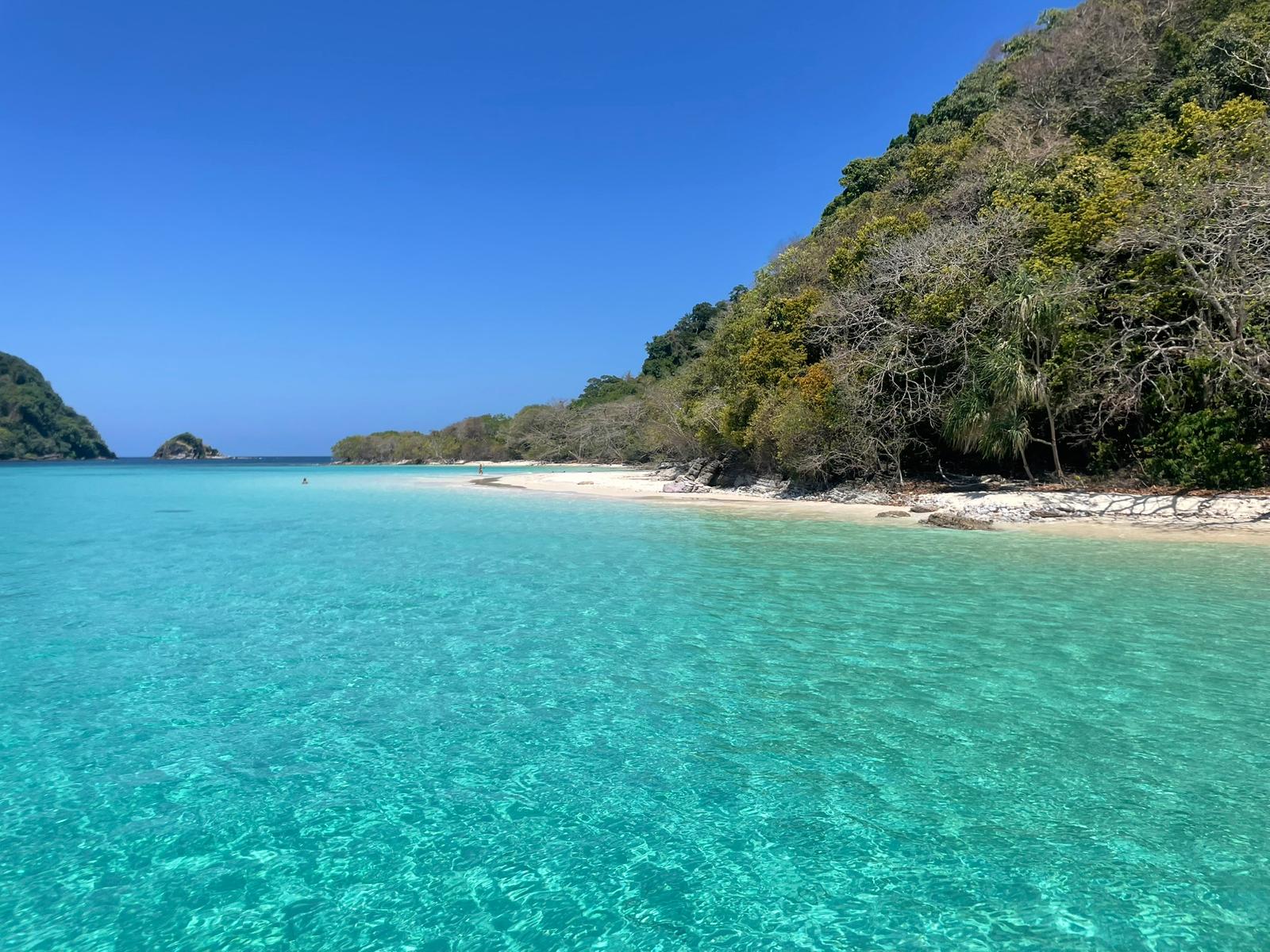
Thailand is more developed for tourism, which makes it easier logistically but slightly less immersive. Chiang Mai in particular has become a hub for long-stay travellers of all ages, with excellent healthcare facilities, a well-established expat community, and a comfortable cost of living. The islands offer a different experience entirely — slower, quieter, and spectacularly beautiful.
Indonesia — particularly Bali — draws long-stay visitors for the lifestyle: yoga, wellness, spiritual practice, and a daily rhythm that feels deliberately slow. Sri Lanka offers many of the same qualities as Southeast Asia with the advantage of being a single, manageable country rather than a sprawling region.
The constraint: Heat and humidity. Southeast Asia is hot. For travellers used to temperate climates, the adjustment is real, and for some people with certain health conditions, it’s a genuine consideration. The best months are generally November to March (the cool, dry season in most of the region). Visa rules vary by country but are generally more accommodating than Europe — Thailand offers 60-day tourist visas extendable to 90 days, and Vietnam’s e-visa system has improved significantly.
Best for: People seeking cultural immersion, budget-conscious travellers, solo women (the region is generally very safe and welcoming), anyone willing to trade European familiarity for a genuinely different experience.
Colombia, Mexico, Argentina
Latin America is consistently underrepresented in gap year content aimed at British retirees, which is a shame because it offers some of the most rewarding long-stay experiences available.
Colombia has undergone a remarkable transformation. Medellín, once synonymous with violence, is now one of the most liveable cities in South America — spring-like climate year-round, excellent food, increasingly good infrastructure, and a cost of living that makes Europe look expensive. Cartagena offers Caribbean coast and colonial architecture. The coffee region provides some of the most beautiful and peaceful rural landscapes on the continent. Three months in Colombia can comfortably cost under £5,000 excluding flights.
Mexico — particularly Oaxaca, San Miguel de Allende, and the Yucatán coast — offers extraordinary cultural depth and a well-established infrastructure for long-stay visitors, particularly from North America. The food culture is world-class. The climate varies dramatically by region, which means you can choose your weather.
Argentina is more volatile economically, which makes budgeting harder but can also make the country remarkably affordable during favourable exchange rate periods. Buenos Aires is one of the great cities of the world for a reason, and Patagonia is one of the great landscapes.
The constraint: Distance. Flights from the UK are longer and more expensive (typically £700–£1,200 return). The timezone difference is significant — 5 to 8 hours behind the UK depending on country — which affects regular contact with home. Spanish is more useful than in any other region; basic competence opens doors that remain closed to English-only travellers.
Best for: Adventurous travellers, people who want to learn Spanish, anyone looking for extraordinary value, travellers who’ve already done Europe or Asia and want something different.
Japan is in a category of its own. It is more expensive, more logistically demanding, and more culturally distinct than any other popular gap year destination. It is also, by the accounts of virtually everyone who gives it three months, one of the most rewarding travel experiences available anywhere.
The quality of daily life in Japan is remarkable. The food is exceptional at every price point. The public transport is the best in the world. The aesthetic attention to detail — in gardens, architecture, packaging, even convenience stores — is something you notice on day one and are still noticing three months later. The country is extraordinarily safe.
The challenges are real. The language barrier is significant — more so than in any other destination on this list. The cost of living is higher, particularly for accommodation. The culture is welcoming but reserved; making deep social connections takes more time and effort than in Southern Europe or Latin America. The logistics of long-stay apartment rental are more complex, though specialist agencies exist to help foreign visitors navigate them.
The constraint: Cost and complexity. Japan is not for first-time long-stay travellers unless they’re confident planners or willing to invest significantly in a curated experience. Monthly accommodation in Kyoto or Tokyo starts at around £1,000 and can rise quickly. The visa situation is straightforward — UK citizens get 90 days visa-free — but the practical aspects of setting up daily life require more research and preparation than most destinations.
Best for: Experienced travellers, people with a specific interest in Japanese culture, anyone who values quality over ease, travellers comfortable with solitude and cultural distance.
The right destination isn’t the one with the best weather or the lowest costs. It’s the one that matches what you’re looking for from the experience.
If you want comfort and proximity, start with Southern Europe. If you want to be genuinely challenged and changed, consider Southeast Asia or Latin America. If you want something singular and extraordinary and you’re willing to do the work, Japan.
If you’re genuinely undecided, Portugal is a strong default — not because it’s the best, but because it’s the lowest-risk entry point for a first gap year. Many people do their first extended trip in Europe and their second somewhere further afield, with far more confidence.
The destination is one part of a much larger picture. The complete guide to gap years for retirees covers everything else — the planning, the finances, the emotional preparation, and what to expect when you come home. And for anyone weighing the practical side of how to structure and fund the trip, the budget guide and the planning timeline are the natural next steps.
Author

