Last-minute departure, February 2027:
Lush Quiet
· Malaysia, Indonesia & Philippines
July 14, 2026
Nobody plans the homecoming. The trip gets months of preparation (the research, the bookings, the lists) and the return gets a taxi from the airport and a vague intention to sort the garden. Which is a pity, because returning home after long term travel is a genuine chapter of the experience, with its own arc, its own surprises, and, handled well, its own rewards. Many seasoned travellers will tell you the return is where the value of the trip actually gets banked.
This article covers what the first days, weeks, and months back actually feel like, why home seems subtly different (it isn’t; you are), and how to carry three months of momentum into ordinary life instead of watching it evaporate by the second week. It closes the loop begun in our complete guide to how to travel for 3 months. It is also, as we’ll get to, where the next trip begins.
The first thing to say is reassuring: coming home after three months is an adjustment, not an ordeal. The people who find it hardest are the ones nobody warned. Consider yourself warned, pleasantly.
The initial homecoming is mostly delight, and it deserves to be enjoyed without analysis. Your own bed is a miracle of engineering. The kettle, the proper tea, the bacon: travellers are routinely astonished by how moving a supermarket feels after a season away. Friends and family arrive in a warm rush. The post, thanks to the pre-trip sorting covered in our guide to managing money while travelling, is a smaller pile than feared.
Threaded through the sweetness, expect some strangeness, because it catches people out.
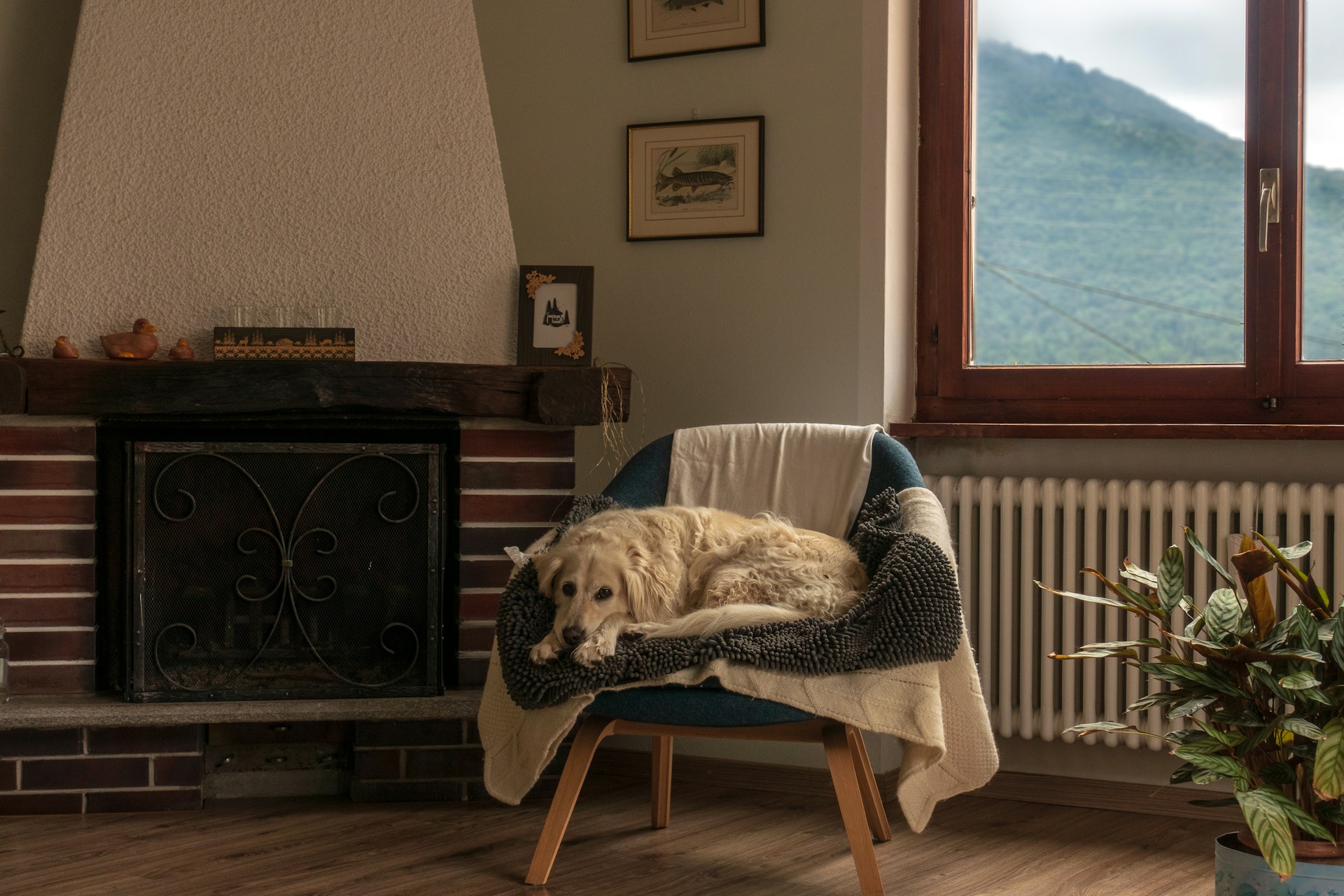
Home feels like a stage set for a few days. You’ll walk into your own sitting room and experience it, briefly, the way you experienced your apartment abroad in week one: as somewhere you’re observing rather than inhabiting. Everything is exactly where you left it, which is precisely what’s strange: you’ve been changing for three months, and the house hasn’t. The sensation fades within a week. It’s worth savouring while it lasts, because it’s the last time you’ll ever see your own life from the outside.
Your body is on the wrong schedule, and not just jet lag. After three months of walking miles a day, eating late or early and living by daylight, your rhythms have shifted. Give yourself the same grace you gave yourself in the first week abroad. The travellers who book a full diary for their first week home tend to regret it; the ones who protect a few quiet days land better.
And the famous question will come. “How was it?”, asked warmly, by people who love you, who have budgeted about ninety seconds for the answer. This is the moment returning travellers find hardest, so let’s take it seriously.
The frustration has a simple mechanism. They’re asking about a holiday; you’re being asked to summarise a chapter of your life. There is no ninety-second version of three months, any more than there’s a ninety-second version of your first year of retirement, and attempting one flattens the whole thing into “amazing, the food was incredible,” which leaves you obscurely deflated.
Three practices help.
If the family followed along all trip on the group chat and the shared album (the approach in our guide to staying connected with family), you’ll find this whole stage easier: they don’t need the summary, because they watched the serial. Their questions will be specific and delightful. Nobody who has voted on your weekly excursions asks “how was it?”
Somewhere in the second or third week home, after the welcome dinners have run their course, many returning travellers hit a dip: a cousin of the week-four wobble described in our companion piece on the emotional reality of long-term travel, and just as normal, just as scheduled, just as survivable.
It has a characteristic flavour. The routines you left feel simultaneously comforting and slightly small. The supermarket that moved you in week one is just the supermarket again. The days, which for three months had the pleasant project of somewhere new, have reverted to arranging themselves around errands. People report a restlessness, a low-grade what now, and sometimes a guilty suspicion that the trip has ruined them for ordinary life.
It hasn’t. Read the flatness correctly and it stops looking like grief for the trip and starts looking like information from it. Three months of living differently has run a controlled experiment on your own life, and the results are in. The dip is the gap between how you lived there and how you’d been living here, made visible. Which means the flatness is less a mood to be waited out than a punch list. Call it the re-entry punch list: the specific, nameable gaps between how you lived there and how you’d been living here.
Because here is what the experiment actually showed. Abroad, you walked every day, so the capacity and the pleasure are proven; the only thing that changed is the postcode. You had a morning routine you loved. You lived for a quarter of a year out of a modest set of possessions and missed none of the rest. You talked to strangers. You had time, and you spent it deliberately. None of that was the Mediterranean’s doing. It was yours.
The travellers who bank the trip (for whom it becomes a hinge rather than a highlight) do a handful of concrete things in the first month or two home. None are grand.
Keep two habits, on purpose, and name them. Not “I’ll stay more active”; that’s a wish. “The morning walk stays, before breakfast, as it was in Japan” is a decision. The market shop instead of the weekly trolley sweep; the proper lunch; the evening without the television because abroad you never missed it. Two habits, protected deliberately, carry more of the trip home than a hard drive of photographs.
Act on the clarity while it’s fresh. Three months of distance shows you your life at home with rare precision, and most people return with two or three quiet conclusions: about how they spend their weeks, which commitments earn their place, occasionally about the house itself. This clarity has a shelf life of about six weeks before ordinary life re-absorbs it. The notebook exercise from the first fortnight exists precisely so the conclusions survive contact with routine.
Give the restlessness a proper job. The energy that has nowhere to go in week three is real energy. The returners who thrive point it at something with texture: the language classes continued at home, the volunteering, the long-deferred project, the grandchildren’s newly upgraded correspondent. Ordinary life only looks smaller than travel because it has been running on defaults. You’ve spent three months proving you can live deliberately. The only question is whether you keep the licence.
Do the practical re-entry, briskly. There is a small administrative homecoming: GP and dentist check-ups rebooked, the health routines from the trip folded into home life, insurance and subscriptions reviewed, the finances reconciled. An afternoon covers it. Most people find the numbers land pleasantly: it is common to discover the quarter abroad cost little more than the quarter at home would have, once heating, commuting, and the ambient spending of British life are counted properly.
The whole re-entry, as a checklist:
And then there is the almost universal final symptom, which tends to present within the first month home: the browsing.
It starts innocently: a look at the photos, a “what’s Kyoto like in autumn” typed into a quiet Sunday. It should be taken seriously, because it reflects something true. You are now someone who knows how to do this, on your own, well. The hardest trip is the first one: the first time solving the prescriptions, the first wobble survived, the first identity rebuilt in a foreign kitchen. All of that is now capital, and capital wants employing. Travellers describe the second trip as a different experience from the first (less proving, more savouring) and many settle into a rhythm that reshapes retirement itself: a season away, most years, with home as the beloved base between chapters rather than the whole story. The pattern shows up in the numbers, too: AARP’s 2025 Travel Trends Report found that 70% of Americans aged 50 and over planned to travel that year, with a growing proportion choosing longer, slower trips over week-long packages.
If the first trip was self-organised, the second is when many people trade logistics for depth: having proven they can arrange everything, they discover they’d rather spend the energy on the living. It’s exactly the traveller DECADES’ Japan programme was designed for: the person who has done the hard first crossing and now wants the richest possible version of the next one.
Is it normal to feel flat after coming home from a long trip?
Completely. Somewhere in the second or third week home, after the welcome dinners have run their course, most people returning home after long term travel hit a dip: a cousin of the mid-trip wobble, and just as scheduled. Read correctly, it carries information from the trip, pointing at the specific things worth changing at home.
How long does it take to adjust after three months abroad?
The strange, stage-set feeling of the first days fades within a week; the flat patch that follows usually runs from around week two to week six. The travellers who land best protect a few quiet days at the start, write the trip down within the first fortnight, and deliberately keep two habits from the road.
What is reverse culture shock and does it happen after three months away?
It’s the mild disorientation of finding home unchanged when you’ve spent a season changing: the sitting room that feels like a stage set, the supermarket that briefly seems remarkable, the routines that feel both comforting and slightly small. After three months it’s an adjustment rather than an ordeal, and the people who find it hardest are simply the ones nobody warned.
What should I do first when I get back from extended travel?
Very little, on purpose. Protect the first few quiet days, then work through the practical re-entry briskly in an afternoon (GP and dentist rebooked, finances reconciled, insurance and subscriptions reviewed) and spend the first fortnight capturing the trip on paper while it’s vivid. The conclusions you write down are the ones that survive contact with routine.
Planning your own three months away? Start with the free DECADES Gap Year Guide: the practical starting point covering budgets, planning, health and everything between deciding to go and boarding the plane. Get your free copy here.
Unpack the suitcase and the haul looks modest: some ceramics, a paper bag of saffron, a jumper that made sense at the time. The real cargo is harder to declare at customs. Proof, mainly. Proof that the person who wondered, eighteen months ago, whether this sort of thing was still available to them, was asking the wrong question. Proof that your health, your nerve, and your appetite for the world are all in better order than the culture around retirement had led you to believe. Proof that home is a choice you keep making, which is a different and better thing than a place you’re simply in.
Coming home after three months away is less an ending than the part where the experience, having happened to you somewhere else, starts happening to your life. Expect a strange, sweet first week; a flat patch that’s really the re-entry punch list; and then, sooner than you’d think, a Sunday afternoon, a laptop, and the unmistakable feeling of a plan beginning again.
About the author: Laura Cannon is the founder of DECADES. She has spent the past twenty years travelling solo and long-term across the world; experience she now puts into designing three-month experiences for people in retirement and semi-retirement.
Author

