Last-minute departure · DEC 2026
Open Road
Australia · New Zealand
July 14, 2026
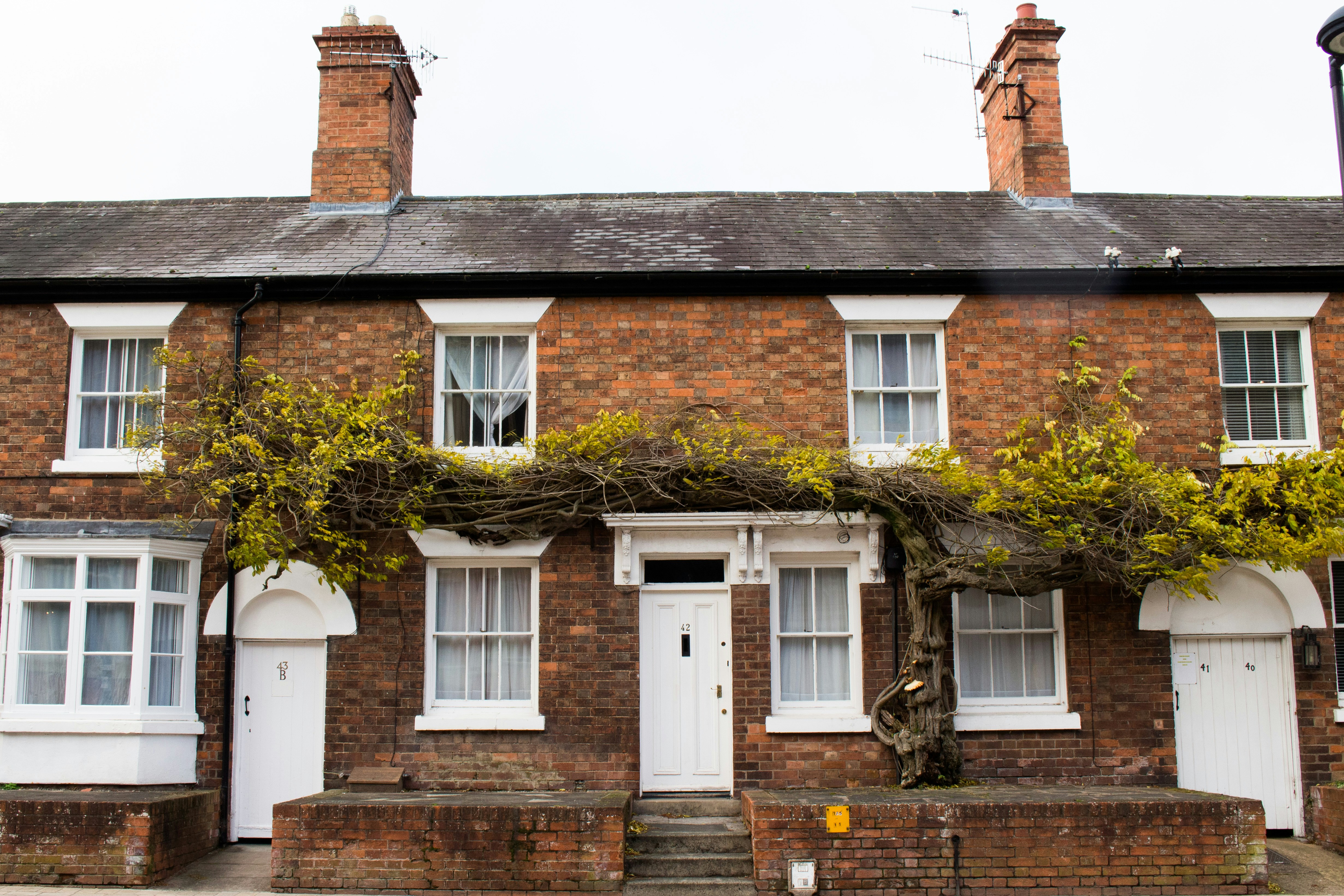
Of all the questions that stand between "I should do this" and a booked flight, the house is the one people circle longest. It's the biggest asset, the repository of thirty years of accumulated life, and, for many would-be long-term travellers, the politest available excuse for not going.
So let's take the excuse apart properly. Deciding what to do with your house when travelling long term comes down to the four lanes: leave it empty, install a house-sitter, rent it out, or arrange a home exchange. Each has real costs, real benefits and (this being Britain) real insurance implications. This article works through all four with UK specifics, so you can pick a lane months before departure rather than agonising in the final weeks. It's part of our complete guide to how to travel for 3 months, and it pairs naturally with the broader checklist in how to pause your life for 3 months.
The reassuring headline first: for a three-month trip, every one of these options works. Thousands of UK travellers use each of them every year [STAT: source needed, e.g. ABTA or TrustedHousesitters figure on UK homeowners using sitters/lets during extended travel], and the appetite is only growing; research from Inspired Villages found nearly 25% of retirees have either taken extended travel or would seriously consider it. The right one depends on your appetite for admin, your feelings about other people's feet on your carpets, and whether you'd like the house to help pay for the trip.
Before comparing options, understand the constraint they all answer to: standard UK home insurance changes when your house is unoccupied.
Most policies define "unoccupied" as empty for more than 30 consecutive days (some allow 60, a few 90). Beyond that limit, cover typically shrinks dramatically: escape of water, theft, vandalism and malicious damage are commonly excluded, precisely the risks an empty house faces. Crucially, this isn't something you can ignore and hope; failing to tell your insurer about a three-month absence can compromise a claim entirely, even one unrelated to the absence.
Your choices, depending on the option you pick:
Whatever you do, do it in writing, and keep the confirmation with your travel documents. Now, the options.
The default choice, and for a well-prepared house on a three-month timescale, a perfectly respectable one.
The case for. Zero strangers, zero admin beyond shutdown, the house exactly as you left it, and total flexibility about your dates. If your trip is close to the 30–60 day insurance thresholds, or you have a keyholding neighbour and a low-maintenance property, empty is simple and cheap.
The case against. The house earns nothing, the insurance needs sorting as above, and an unambiguously empty house is the least secure version of itself. There's also a running-cost tail people forget: council tax continues in full (the old empty-property discounts have vanished in most councils), standing charges tick on, and winter trips require heating the house you're not in.
Doing it well:
The realistic cost: £150–£400 of insurance adjustment, perhaps £100 of security kit, plus the standing costs: call it £500–£900 across the trip. The price of simplicity.
A house-sitter (someone who lives in your home while you travel) is the option that most surprises people, chiefly because the mainstream version costs almost nothing.
How it works. Platforms such as TrustedHousesitters, HouseSitMatch and Homesitters Ltd connect homeowners with sitters. On the exchange platforms, no money changes hands: the sitter gets free accommodation, you get an occupied house and, the engine of the whole arrangement, your pets get to stay home with a person whose application was largely about them. Professional agencies alternatively supply vetted, paid sitters at roughly £15–£40 a day depending on duties.
The case for. The house stays occupied (standard insurance usually remains valid; confirm it, and check the policy covers a non-family occupant), pets keep their routine, plants live, post gets handled, and problems get discovered in hours rather than months. For anyone with a dog or cat, this is frequently the whole answer.
The case against. A stranger lives in your house, which some people simply cannot enjoy no matter how many five-star reviews the stranger has. Good sitters for three-month stints need booking months ahead. And the exchange model is a relationship, not a service: you'll write a proper welcome guide, do a handover, and stay lightly in touch.
Doing it well: video-call candidates before choosing, take references seriously, agree the ground rules in writing (visitors, bills, the car, spending limits at the vet), and leave the house sheet (stopcock, boiler, bins, wifi) that every temporary occupant blesses you for. Tell your insurer regardless; five minutes of disclosure protects everyone.
The financially interesting option. A three-month let on a typical UK family home (£1,000–£2,500 a month depending on region) can offset most of the cost of the trip itself. Set against the budgets in our cost of 3 months travel breakdown, the arithmetic gets tempting: the house funds the trip.
But go in with clear eyes, because this is the high-admin option. Short fixed-term lets sit awkwardly with standard Assured Shorthold Tenancy practice: six months is the conventional minimum tenancy, so a precise 90-day let needs either a corporate/relocation tenant, a specialist short-let agent, or a holiday-let arrangement. Each is workable; none is effortless.
The obligations are real and legal. Gas safety certificate, Energy Performance Certificate, electrical safety report (EICR), smoke and carbon monoxide alarms, deposit protection in a government scheme, Right to Rent checks. An agent will handle all of it for 10–15% of the rent plus fees, which for a first-time, one-off landlord is money well spent.
The other implications:
The verdict: for a single three-month trip, renting out is the most profitable and the most effortful option, and the effort front-loads into your planning year; start it at least four to six months out, as the planning timeline suggests. For people who expect long trips to become a habit, building the landlord machinery once and reusing it annually changes the economics of the entire travelling decade.
The fourth option is the least known and the most charming: swap. Platforms like HomeExchange and People Like Us let you offer your home to travellers in return for staying in theirs, either simultaneously or, more flexibly, via points systems that let you bank your home's availability and spend it elsewhere later.
The case for. Your accommodation abroad, the single biggest line in any three-month budget, approaches zero. The house is occupied. And you stay in real homes in real neighbourhoods, which is precisely the texture that makes long-term travel worth doing.
The case against. Three-month exchanges to the exact place you want, in the exact season you want, require flexibility, an appealing home and patience with the matchmaking. It suits people who treat the search as part of the fun. Insurance-wise, exchanges occupy a middle ground: the big platforms carry guarantees, but tell your home insurer explicitly: "non-paying guests" is a specific question with a specific answer.
Doing it well: great photographs, an honest listing, early conversation with potential matches, and the same written house guide and ground rules a sitter would get. Start looking six months out; the good matches are conversations, not transactions.
The four lanes, side by side:
A shortcut through the deliberation:
There is no wrong answer here, only mismatches between the option and your temperament. And notice what all four have in common: none of them is a reason not to go. Travellers on DECADES' Japan programme have used every one of these arrangements; the house question, once actually decided, tends to shrink to a paragraph in the story of the trip rather than the obstacle it once appeared.
Can I leave my house empty for 3 months? Yes, and for a well-prepared house it's a perfectly respectable choice, but you must tell your home insurer, because most standard policies restrict cover after 30 or 60 consecutive days unoccupied. Expect £150–£400 for an extension or specialist unoccupied cover, meet the conditions to the letter, and recruit one good neighbour for a weekly walk-through.
Is it worth renting out my house while travelling long-term? Financially, often yes: £1,000–£2,500 a month on a typical UK family home can offset most of a trip. But when deciding what to do with your house when travelling long term, weigh the admin properly: landlord insurance, gas and electrical certificates, deposit protection, consent-to-let from your lender, and taxable income. Start the paperwork four to six months out, and use an agent for a first let.
How much does a house-sitter cost for 3 months? On exchange platforms such as TrustedHousesitters, nothing: the sitter gets free accommodation and your pets keep their home and routine. Professional vetted sitters from agencies run roughly £15–£40 a day depending on duties. For three-month stints, good sitters book up months ahead, so start early.
Does home insurance cover my house if a house-sitter stays? Usually standard cover remains valid because the house is occupied, but confirm with your insurer that a non-family occupant is covered, and get the answer in writing. Tenants are different (they always require a switch to landlord insurance), and home-exchange guests should be disclosed explicitly as non-paying guests.
Planning your own three months away? Start with the free DECADES Gap Year Guide: the practical starting point covering budgets, planning, health and everything between deciding to go and boarding the plane. Get your free copy here.
A final thought, offered gently. The house has stood through every storm, power cut and cold snap of the last several decades without your minute-by-minute supervision, and it will manage ninety more days. The real work of this decision is giving yourself permission to believe that bricks can wait while you do something that can't. Sort the insurance, pick your lane, brief your neighbour. Then go and get on with the packing.
About the author: Laura Cannon is the founder of DECADES. She has spent the past twenty years travelling solo and long-term across the world; experience she now puts into designing three-month experiences for people in retirement and semi-retirement.
Author

